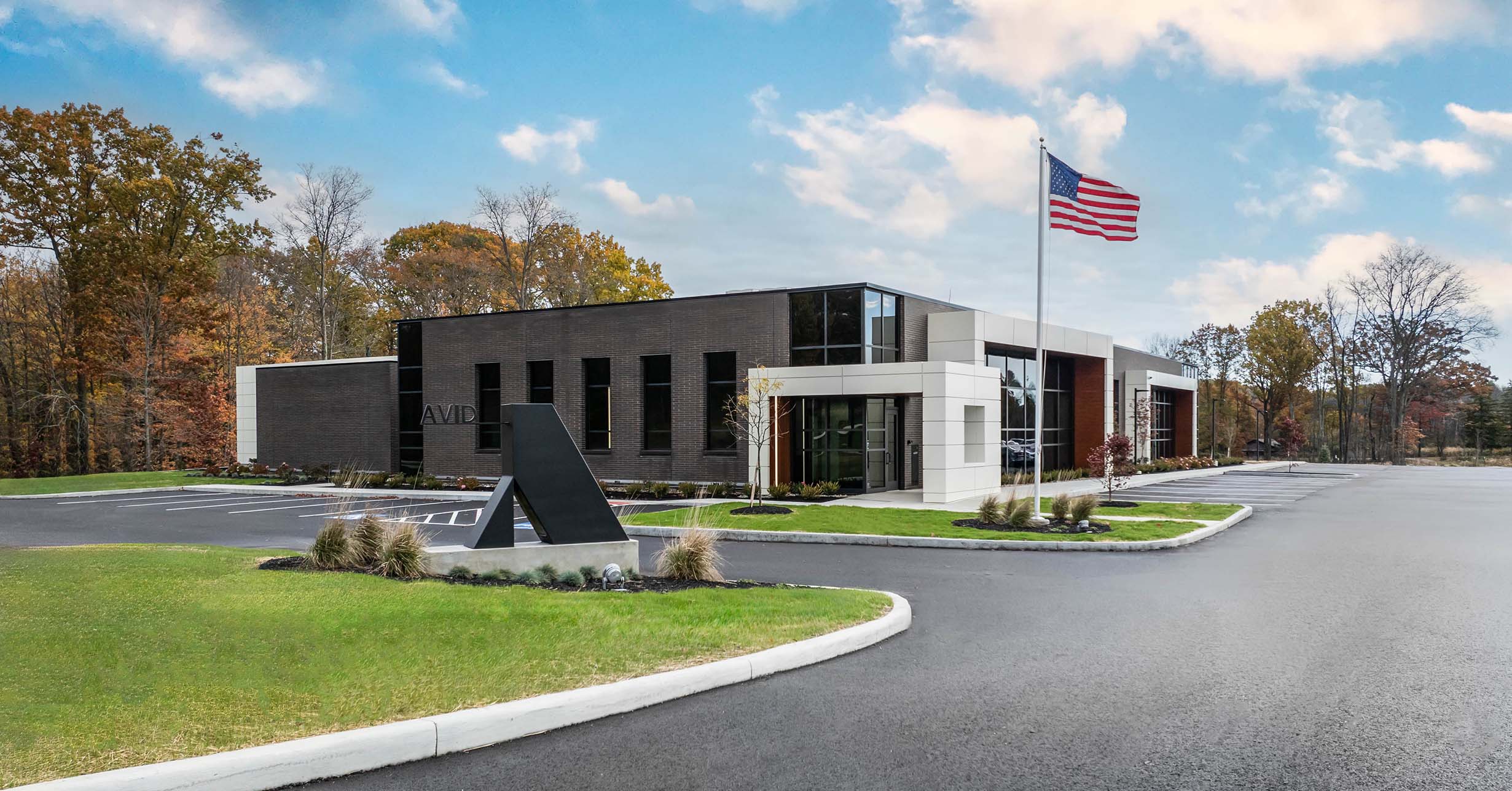
Five Lessons Learned as the Owner, Designer, and Builder
Architects spend their careers helping clients navigate decisions. We ask questions, weigh options, solve problems, and guide projects from vision to reality.
Last year, we found ourselves on the other side of the table.
Designing and building our own headquarters gave us something we couldn't gain from any project before it: the perspective of the owner. Some of what we experienced reinforced beliefs we've held for decades. Other moments challenged us to think differently.
Here are five lessons we're carrying into every project moving forward.
1. The Best Decisions Aren't Made in the Boardroom
When we first started planning our new headquarters, it would have been easy to keep the conversation among leadership.
Instead, we invited the entire company into the process.
Architects, engineers, and administrative staff all shared how they worked, what frustrated them about our previous office, and what would help them do their best work. Some conversations centered on collaboration. Others focused on privacy, workflow, or how visitors experience the building from the moment they walkthrough the front door.
We've always believed stakeholder engagement makes projects better. What surprised us was where many of the best ideas came from. Not the people making the final decisions, but the people who would use the building every single day.
That experience reminded us that the most successful projects aren't designed for people. They're designed with them.
2. Owners Aren't Looking for Certainty. They're Looking for Confidence.
One of the biggest surprises wasn't a design challenge. It was the weight behind every decision.
For the first time, we weren't just reviewing drawings or walking the jobsite. We were balancing priorities, navigating uncertainty, and experiencing the responsibility behind every decision.
Every investment prompted another question. Is this worth it? Will we regret not spending more? Are we solving today's needs while preparing for tomorrow's?
As architects, we've guided clients through those conversations for years.
As owners, we realized something we hadn't fully appreciated.
Clients aren't asking us to eliminate uncertainty. They're asking us to help them move forward with confidence despite it. That's a different responsibility.
Today, when we're helping clients evaluate options, we're thinking beyond what's technically possible or financially feasible. We're thinking about what it feels like to be the person making the decision and what information they need to move forward with confidence.
That's a perspective we couldn't have gained from the architect's side of the table alone.


3. Potential Is Easy to Miss
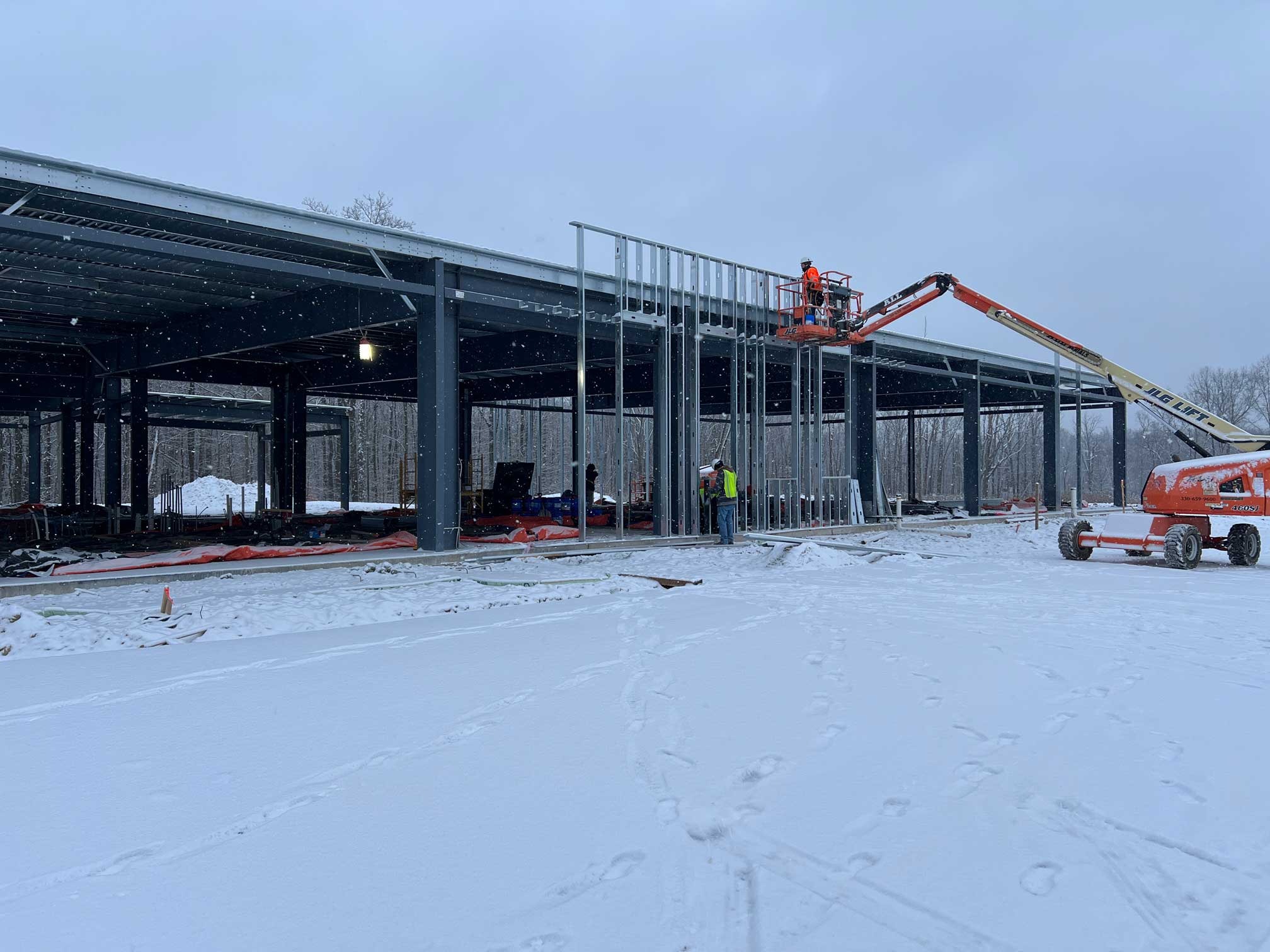
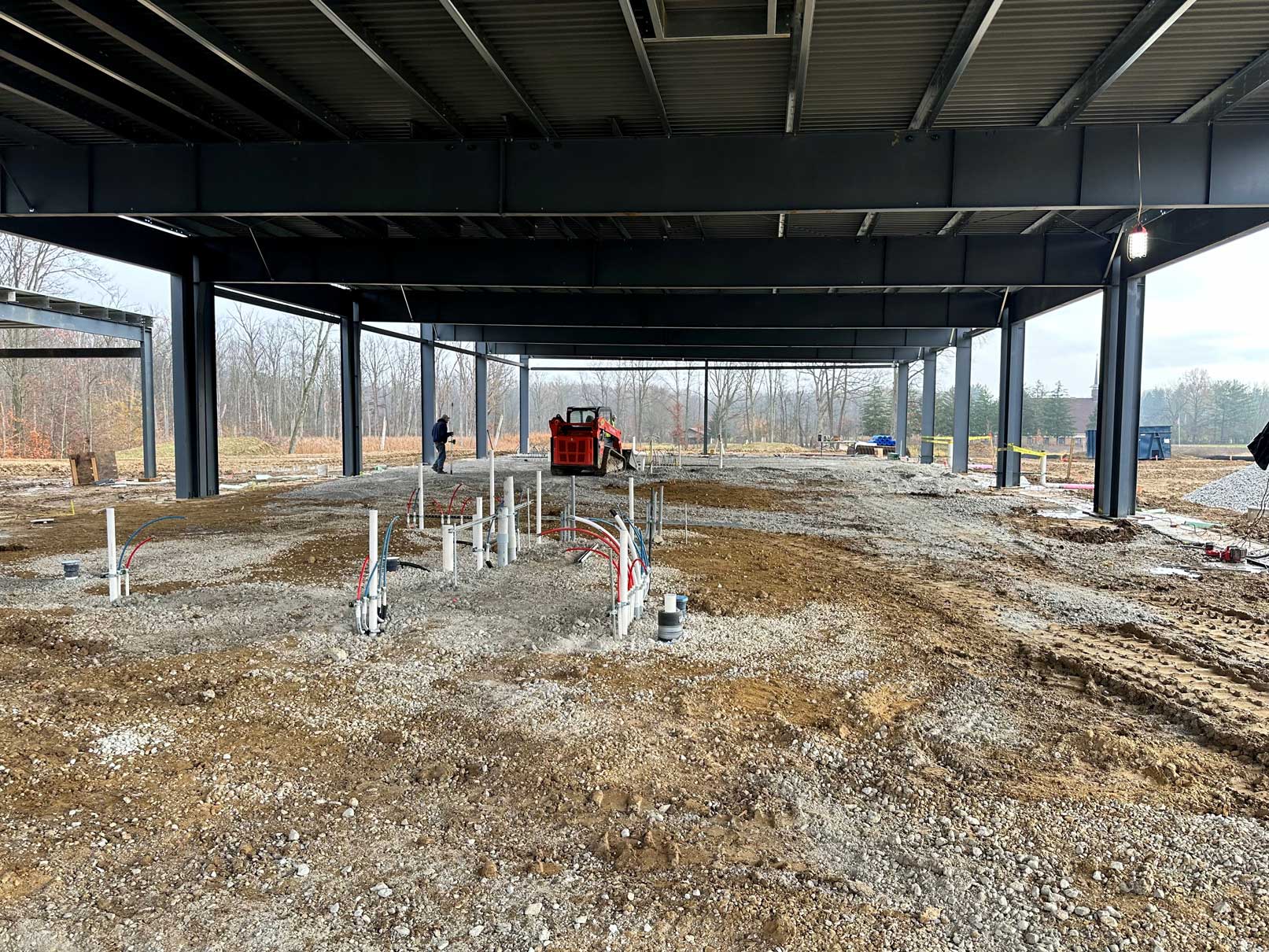
Our future headquarters wasn't built on a construction-ready site. It was built on a former stormwater retention pond.
For years, that piece of land served an important purpose for the City of Fairlawn. Transforming it into our future home required partnership, patience, and plenty of engineering before construction could even begin.
Most people would have looked at the site and seen limitations. We saw possibilities.
That experience reminded us of something we encounter often in our work. Whether it's an aging building, an underutilized property, or a challenging site, the first impression rarely tells the whole story. Sometimes the greatest opportunity is hiding behind the greatest constraint.
4. Trust Is Built in the Small Moments
No project is free from unexpected challenges. Ours wasn't either.
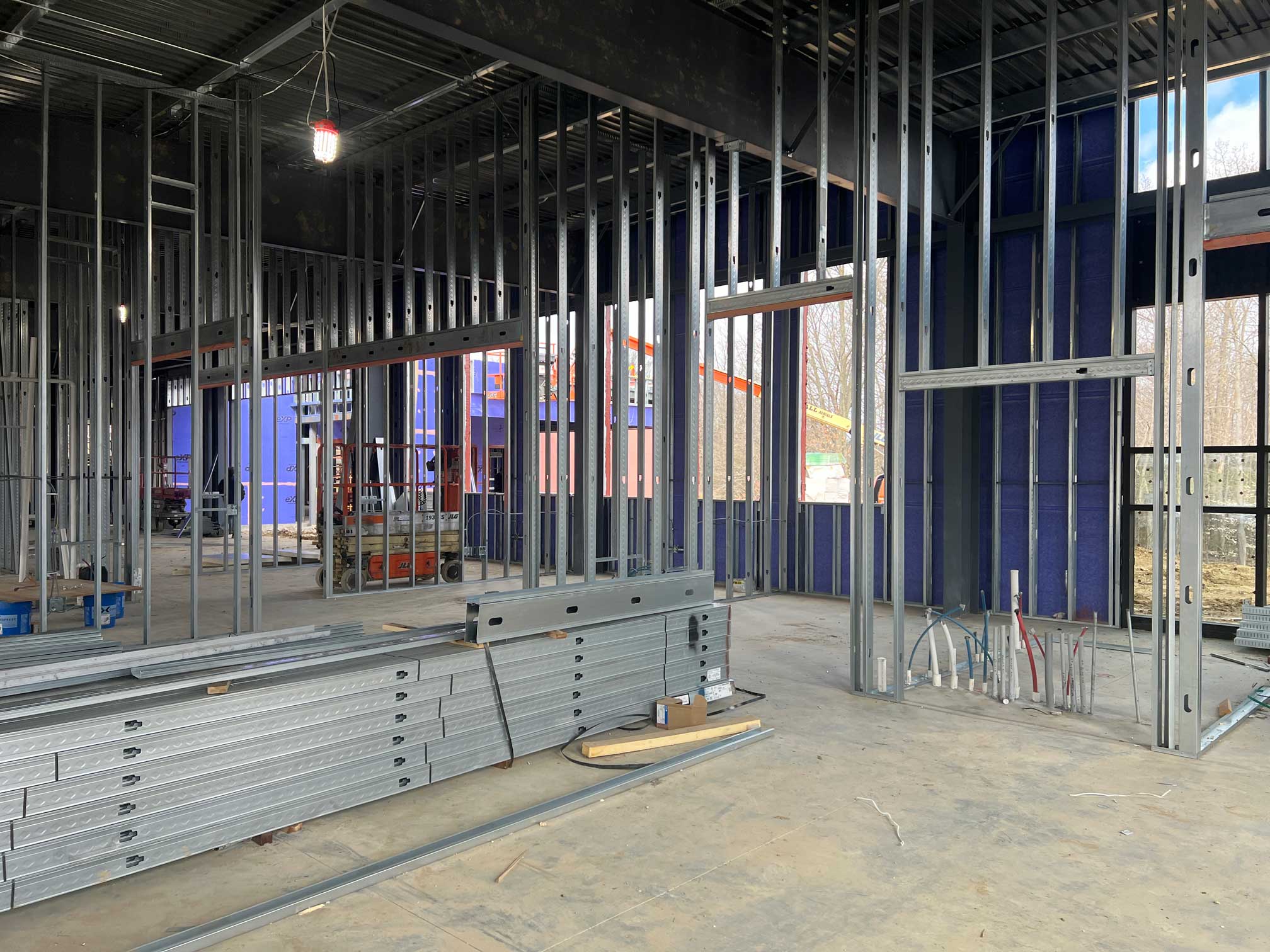
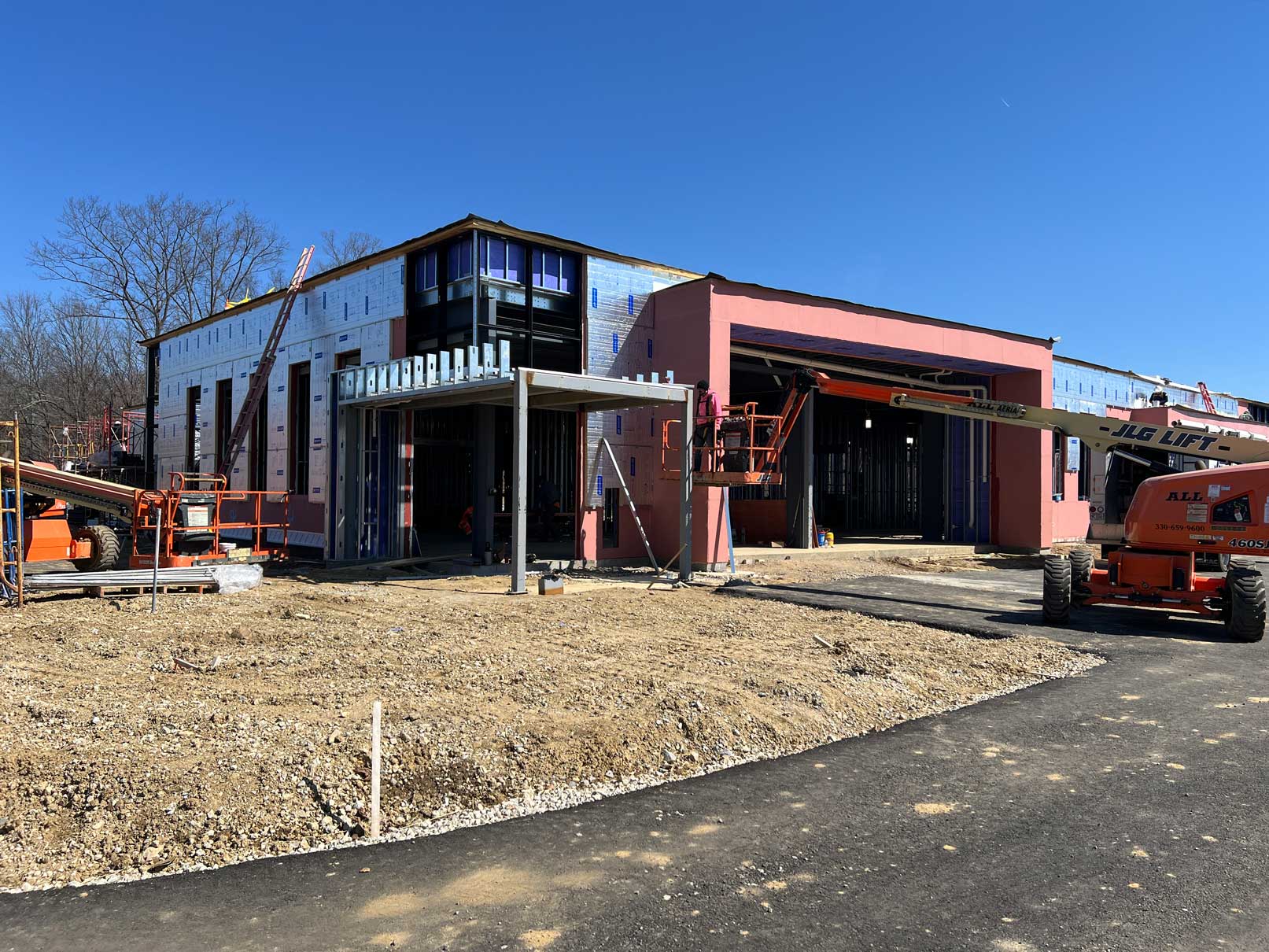
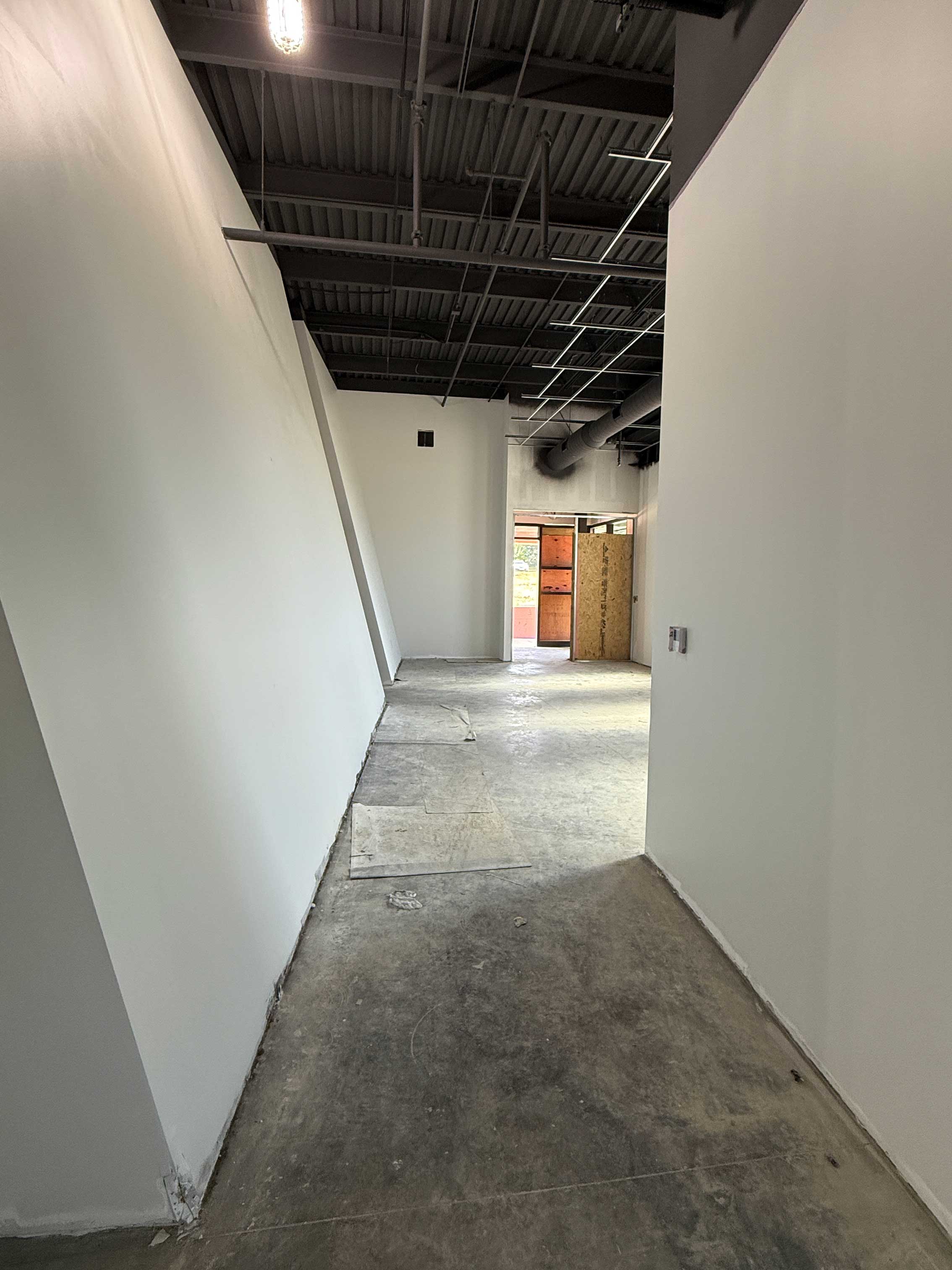
During construction, a conflict between custom cabinetry and an angled wall wasn't discovered until installation. The solution itself wasn't extraordinary. Good teams solve problems like that every day.
What stayed with us was how it was handled. Questions were answered quickly. The team collaborated. The design intent was preserved. The project kept moving.
As owners, we realized something simple but important. Trust isn't built during the big presentations. It's built in the dozens of small moments when our team responds, communicates, and solves problems without losing sight of the goals.
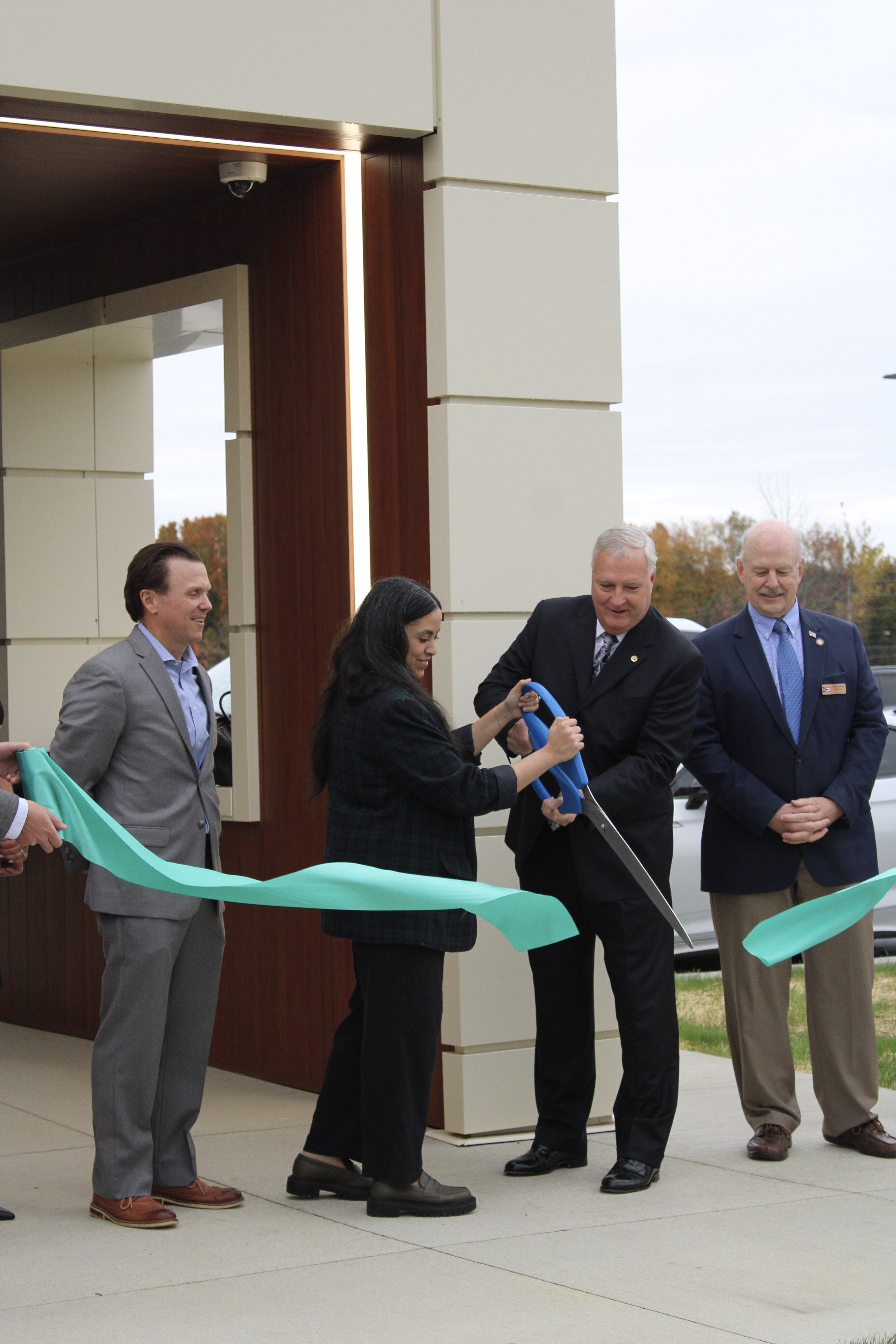
5. The Ribbon Cutting Isn't the Finish Line
Most architects finish a project, hand over the keys, and move on. We came back the next morning. And now we experience the building every day.
We see which spaces naturally bring people together. We appreciate the daylight, the views, and the conversations that spill onto the patio. We also notice little things we'd probably do differently if we were starting over.
That's not because the building isn't successful. It's because buildings continue teaching you long after construction is complete.
For the first time, we're learning from our own work in the same way our clients do. And that perspective may be the most valuable part of the entire project.
Looking Ahead
Designing our own headquarters gave us a building we're incredibly proud of.
More importantly, it gave us a deeper understanding of the people we design for every day.